
 By Logan
Effective tech strategies are vital for remote and hybrid teams. Explore key Workplace technology trends Managing remote and hybrid teams for productivity.
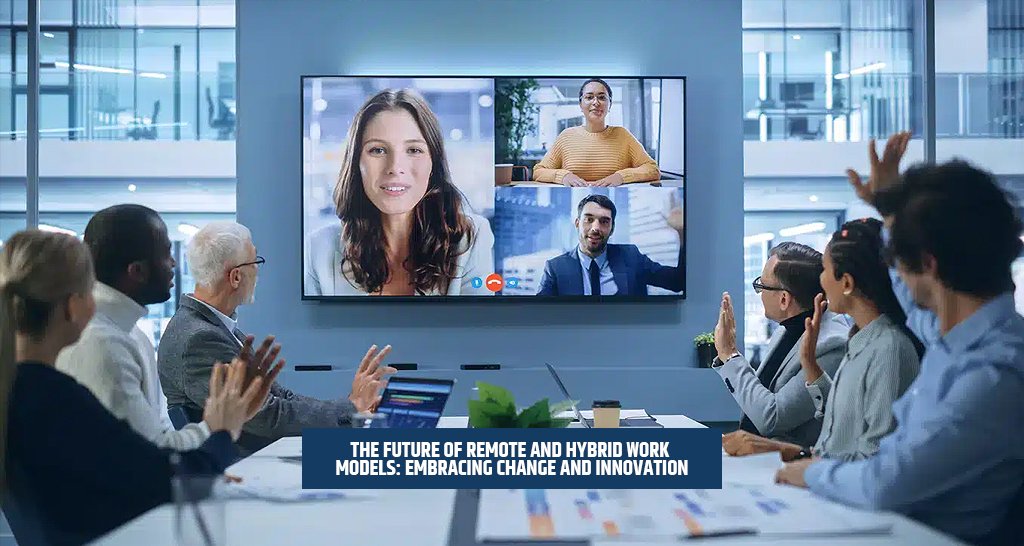
The shift to remote and hybrid work models fundamentally changed how organizations operate. From my vantage point in IT leadership, this transformation isn’t just about giving employees laptops; it’s about strategically deploying technologies that maintain productivity, foster connection, and secure operations across distributed environments. Successful adaptation requires a proactive stance on emerging tools and practices.
Overview
- Modern remote and hybrid setups rely heavily on advanced collaboration platforms for seamless communication.
- Artificial intelligence (AI) and automation are increasingly integrated to streamline tasks and improve decision-making.
- Robust cybersecurity measures are non-negotiable, protecting sensitive data and infrastructure from evolving threats.
- Cloud-first strategies provide the scalability and accessibility essential for global workforces.
- Employee experience platforms are vital for maintaining engagement and well-being in distributed teams.
- Leveraging data analytics offers insights into workflow efficiency and technology adoption.
- Flexible endpoint management ensures device security and functionality for all team members.
The Evolving Landscape of Workplace technology trends Managing remote and hybrid teams
The evolution of workplace technology is relentless, especially for distributed teams. We’ve seen a rapid maturation of unified communication and collaboration (UCC) platforms. Tools like Microsoft Teams and Slack have moved beyond simple messaging to become central hubs for meetings, project management, and file sharing. These platforms are now incorporating more AI-driven features, such as intelligent meeting summaries, real-time translation, and noise cancellation, making virtual interactions more effective.
The focus has shifted from merely connecting people to creating a cohesive digital workspace that mirrors, and in some ways surpasses, the traditional office environment. This involves integrating various applications into a single, intuitive interface, reducing context switching and improving workflow efficiency. For businesses operating across different time zones, asynchronous communication tools and features are also gaining prominence. This allows teams, from the US to Asia, to contribute and collaborate without needing to be online simultaneously.
Prioritizing Cybersecurity and Data Security
In a distributed environment, the attack surface expands significantly. Every home network and personal device becomes a potential vulnerability. My experience highlights that strong cybersecurity is no longer an afterthought but a foundational element of any remote or hybrid work strategy. Organizations are adopting zero-trust architectures, where every access request is verified, regardless of whether it originates inside or outside the traditional network perimeter.
Advanced threat detection, multi-factor authentication (MFA), and secure access service edge (SASE) solutions are becoming standard. Employee training on phishing awareness and data handling best practices is also critical. We’re seeing increased investment in endpoint detection and response (EDR) tools that monitor and protect individual devices. Data encryption, both in transit and at rest, is also paramount to protect sensitive information, ensuring compliance with various regulations.
Future-Proofing with Workplace technology trends Managing remote and hybrid teams
Looking ahead, the integration of AI and machine learning will continue to redefine Workplace technology trends Managing remote and hybrid teams. AI isn’t just for automating repetitive tasks; it’s beginning to provide predictive insights, personalize employee experiences, and optimize resource allocation. For instance, AI-powered tools can analyze meeting engagement, suggest workflow improvements, or even predict potential burnout based on usage patterns.
Virtual and augmented reality (VR/AR) also hold promise for creating more immersive collaboration experiences, especially for design teams or those requiring hands-on interaction with digital models. The demand for flexible, scalable cloud infrastructure will only grow, supporting the dynamic needs of remote workforces without significant upfront capital expenditure. Organizations are building resilience by adopting a “cloud-first” or “cloud-native” approach, ensuring their tech stack can adapt quickly to market changes or unexpected disruptions.
Implementing Adaptive Workplace technology trends Managing remote and hybrid teams for Sustained Productivity
Sustaining productivity in hybrid models requires a nuanced approach to technology implementation. It’s not just about providing tools, but about creating an ecosystem that supports different work styles and preferences. This means deploying adaptive Workplace technology trends Managing remote and hybrid teams that cater to both those working from home and those in the office. Smart office technologies, like room booking systems that integrate with collaboration platforms or intelligent sensors that monitor occupancy and air quality, are becoming common in hybrid office spaces.
Furthermore, a focus on digital employee experience (DEX) platforms is crucial. These platforms monitor IT performance from the user’s perspective, identifying bottlenecks and proactively resolving issues before they impact productivity. Providing employees with self-service IT portals and immediate support channels ensures they can quickly get back to work. Regular feedback loops on technology usage and effectiveness are vital for continuous improvement, ensuring that the technology genuinely empowers, rather than hinders, a distributed workforce.