
 By Logan
A strong photographer shapes how customers see a business. Product pages, websites, campaigns, and social feeds all rely on images that look professional and consistent. Selecting the right commercial photographer Melbourne businesses can trust takes more than a quick portfolio scroll. The best choice depends on style, experience, process, and fit with your brand.
Key Takeaways
- Commercial photography supports sales, so the photographer should understand business goals as well as visual style.
- A portfolio should show work in your industry, whether that is food, products, architecture, or corporate portraits.
- Clear briefs and written quotes prevent misunderstandings about scope, deliverables, and timing.
- Usage rights decide where and how long a business can publish the images, so confirm them before booking.
- Experience with studio lighting, location shoots, and post-production affects consistency across a full image library.
- Client references and reviews reveal reliability, communication, and the ability to meet deadlines.
- A short discovery call shows whether the photographer listens and offers practical ideas.
- Insurance, backup systems, and delivery formats protect the business from avoidable problems.
Start With Your Business Goals
Before searching, define what the images need to achieve. A retailer may want clean product shots for an online store. A hotel may need atmospheric interiors that drive bookings. Therefore, a clear goal shapes every later decision.
Write a short brief that covers purpose, audience, number of images, and where they will appear. In addition, note any brand guidelines, colour palettes, or competitors whose look you want to avoid. Photographers quote more accurately when they receive this detail upfront.
Review the Portfolio With a Critical Eye
A portfolio shows what a photographer can deliver, so study it closely. Look for consistent lighting, sharp focus, accurate colour, and thoughtful composition across many projects rather than a few standout frames.
Relevance matters most. For example, a photographer who excels at fashion editorials may not suit technical product work. Furthermore, check whether the portfolio includes commercial assignments with real briefs, since personal projects often hide the constraints of client work.
Match Photography Style to Your Brand
Every photographer has a recognisable approach. Some favour bright, minimal looks, whereas others prefer moody, dramatic scenes. Neither approach is better, but one will suit your brand more naturally.
Compare candidates against your existing visual identity. Specifically, ask whether their images would sit comfortably beside your logo, website, and packaging. A good photographer can adapt, but a natural match saves time and reduces revisions.
Check Technical Skills and Equipment
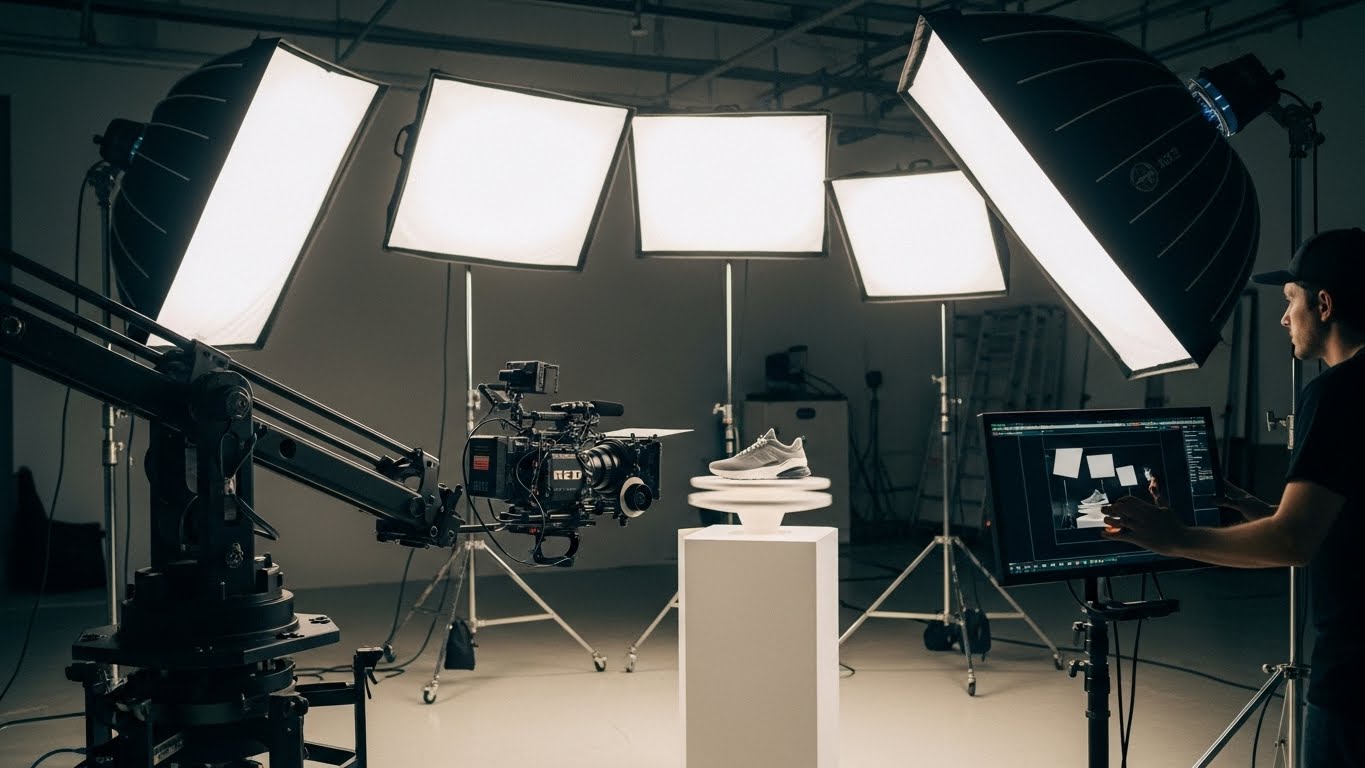
Professional results depend on both skill and tools. Ask about lighting setups, lenses, tethered shooting, and editing software. Indeed, a photographer who can explain these choices in plain language usually understands the craft deeply.
Studio access also matters. Melbourne has many hire studios, and some photographers own their space. Consequently, ask whether the shoot will happen in a studio, on location, or both, and who handles props, styling, and permits.
Ask About Usage Rights and Licensing
Copyright usually stays with the photographer unless the contract says otherwise. Businesses then receive a licence to use the images. The licence defines the media, the region, and the time period.
Not only should you confirm these terms, but you should also get them in writing. For instance, an image licensed for a website may not cover billboards or print advertising. In other words, unclear rights can create costly problems after a campaign launches.
Look for Reliable Process and Communication
A smooth shoot starts long before the camera comes out. Good photographers run planning calls, share shot lists, and confirm schedules in advance. Moreover, they explain how many edits and revisions the price includes.
Pay attention to how quickly they reply and how clearly they write. As a result, you will learn what working together will feel like. Late answers during the quoting stage often predict delays during delivery.
Compare Quotes, References, and Reviews
Request quotes from at least three photographers and compare what each one includes. A lower price may leave out editing, retouching, or licensing. Therefore, compare the full scope rather than the headline number.
Ask for two or three client references. Additionally, read Google reviews and look for comments on punctuality, professionalism, and final results. A photographer with steady repeat clients has usually earned that loyalty through consistent work.
Confirm Insurance and Delivery Details
Professional photographers carry public liability insurance and often equipment cover. This protects both parties if something goes wrong on location, such as damage to a venue.
Finally, agree on delivery. Ask about file formats, resolution, colour profiles, and turnaround time. Both web-ready and print-ready files are useful, and a secure backup of the originals gives you peace of mind long after the project ends.